Foundation Problems
What you're seeing, and how urgent it is.
Knoxville homes sit in the Great Appalachian Valley on clay-rich soils that swell with spring rains and shrink in summer heat, putting foundations under constant stress. This section covers the full range of foundation problems local homeowners encounter, from hairline cracks to serious settlement. Each guide page goes deep on one specific problem so you can match what you see to what it means.
 Urgent
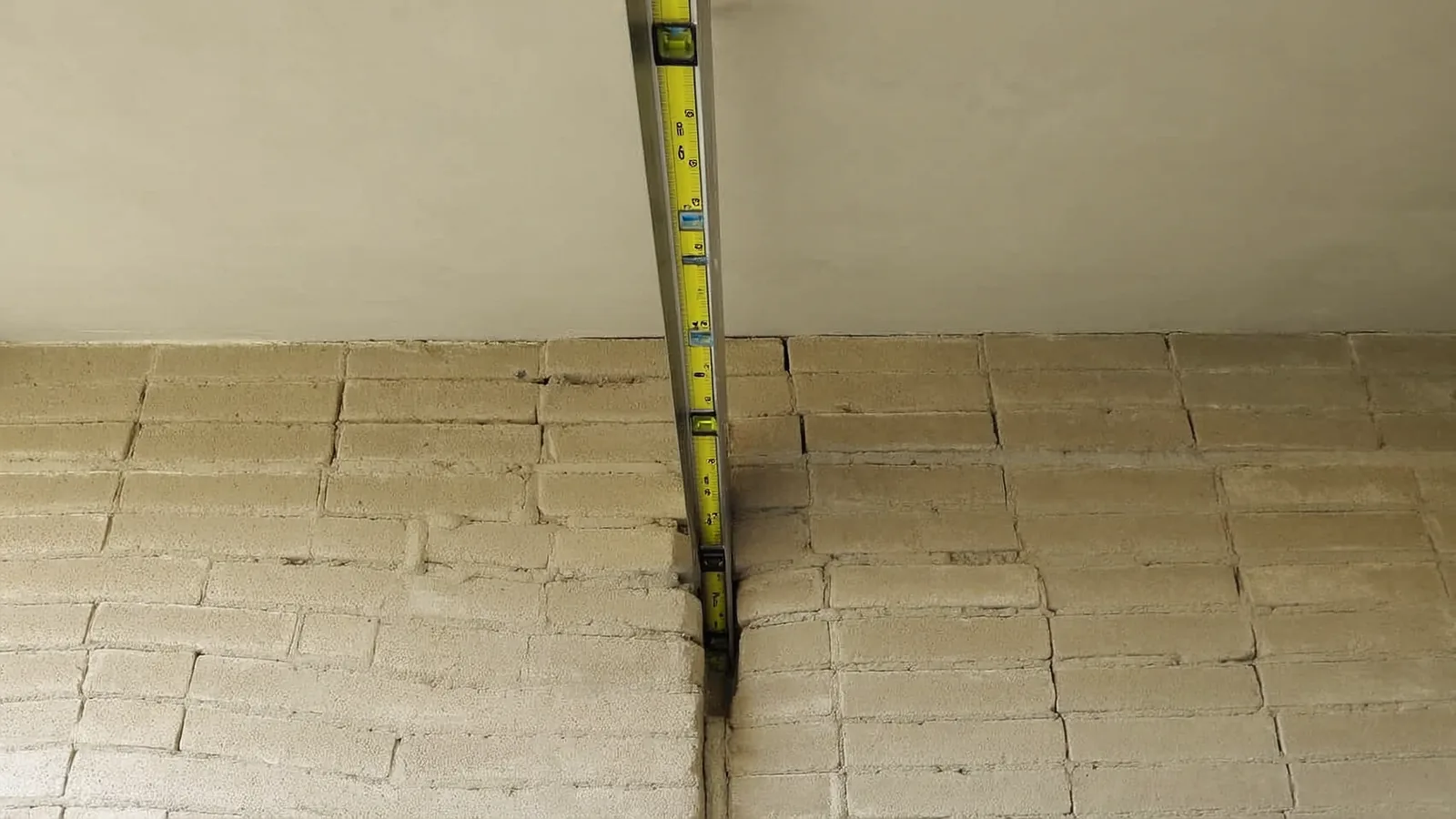
 Bowing Basement Walls
Bowing basement walls occur when lateral soil pressure overcomes a wall's structural capacity, causing it to curve or lean inward. In Knoxville, Knox County's shrink-swell clay and karst limestone geology make this failure mode especially common in homes built before 2000. Left unaddressed, a bowing wall can progress to full collapse.
How to fix it →
 Urgent
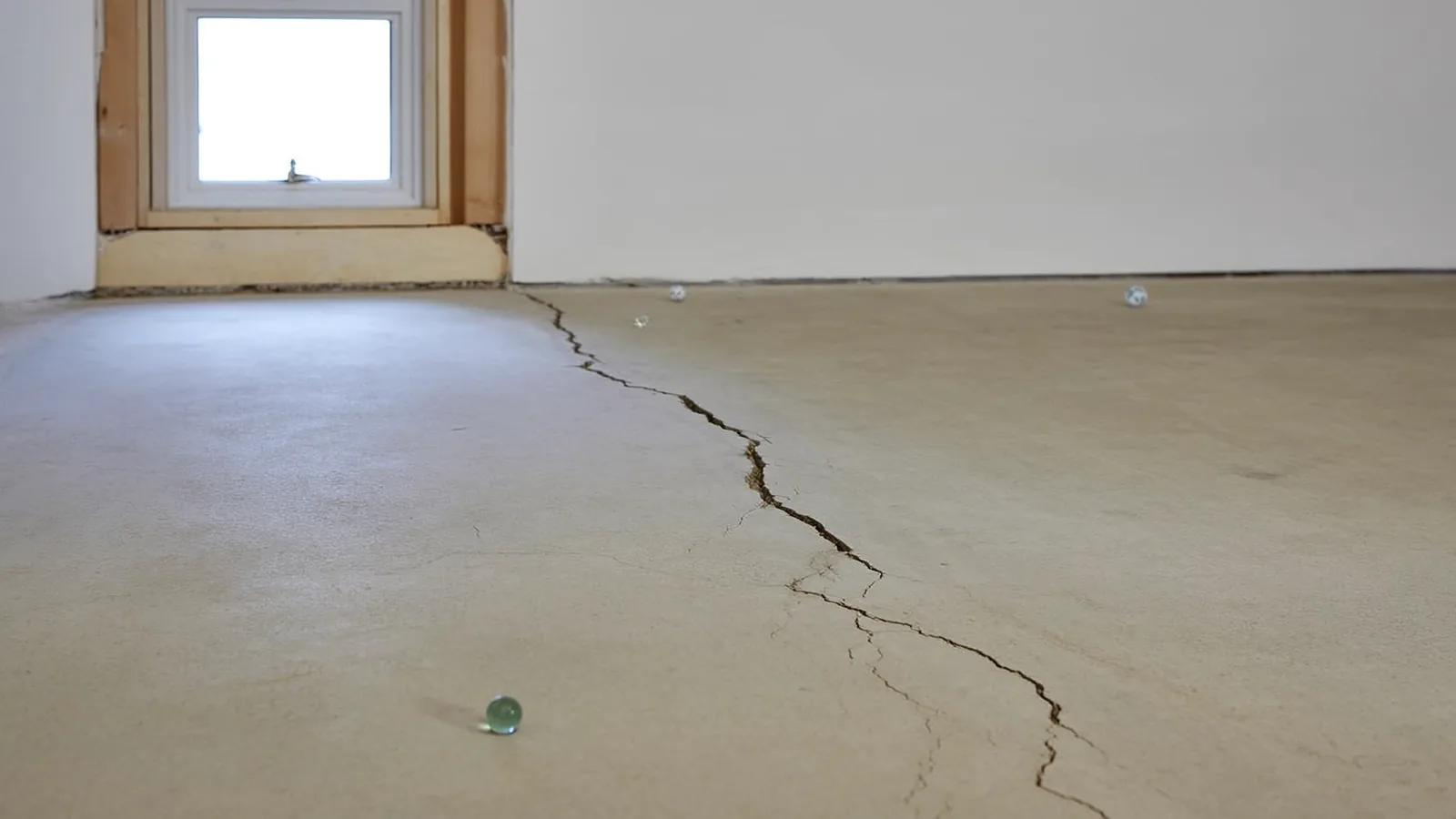
 Floor Cracks
Floor cracks in Knoxville homes often trace back to the area's karst limestone geology and shrink-swell clay soils, which shift foundations through wet-dry cycles and subsurface voids. Some cracks are cosmetic, but wide, growing, or displaced cracks signal active settlement that needs professional evaluation. Early repair is almost always less costly than waiting.
How to fix it →
 Urgent
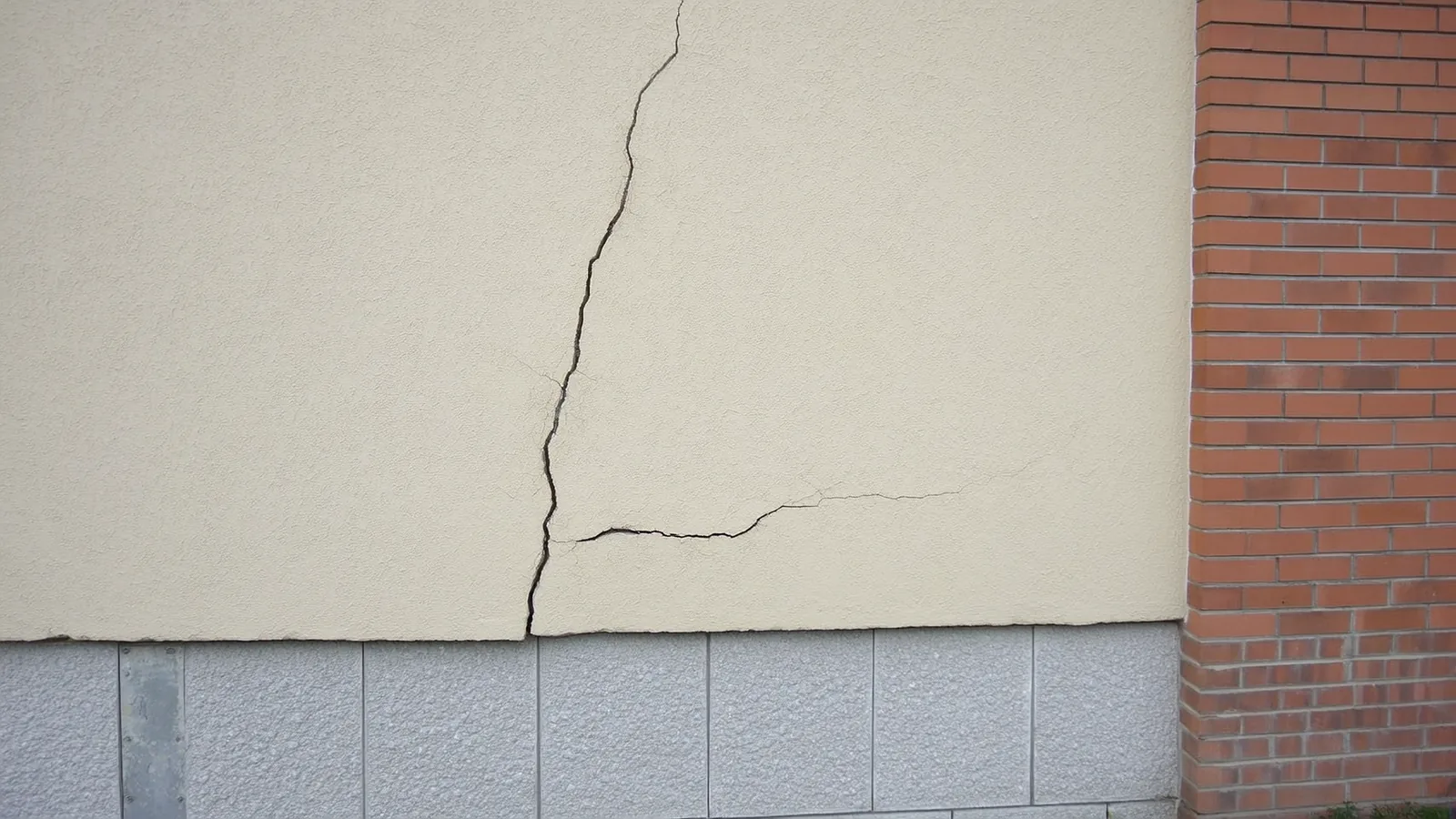
 Foundation Cracks
Foundation cracks in Knoxville homes signal stress from the area's shrink-swell clay soils, karst limestone voids, and valley-concentrated stormwater. Some cracks are cosmetic; others point to active settlement that will worsen without repair. Knowing which type you have determines whether you monitor it or call a contractor this week.
How to fix it →
 Urgent
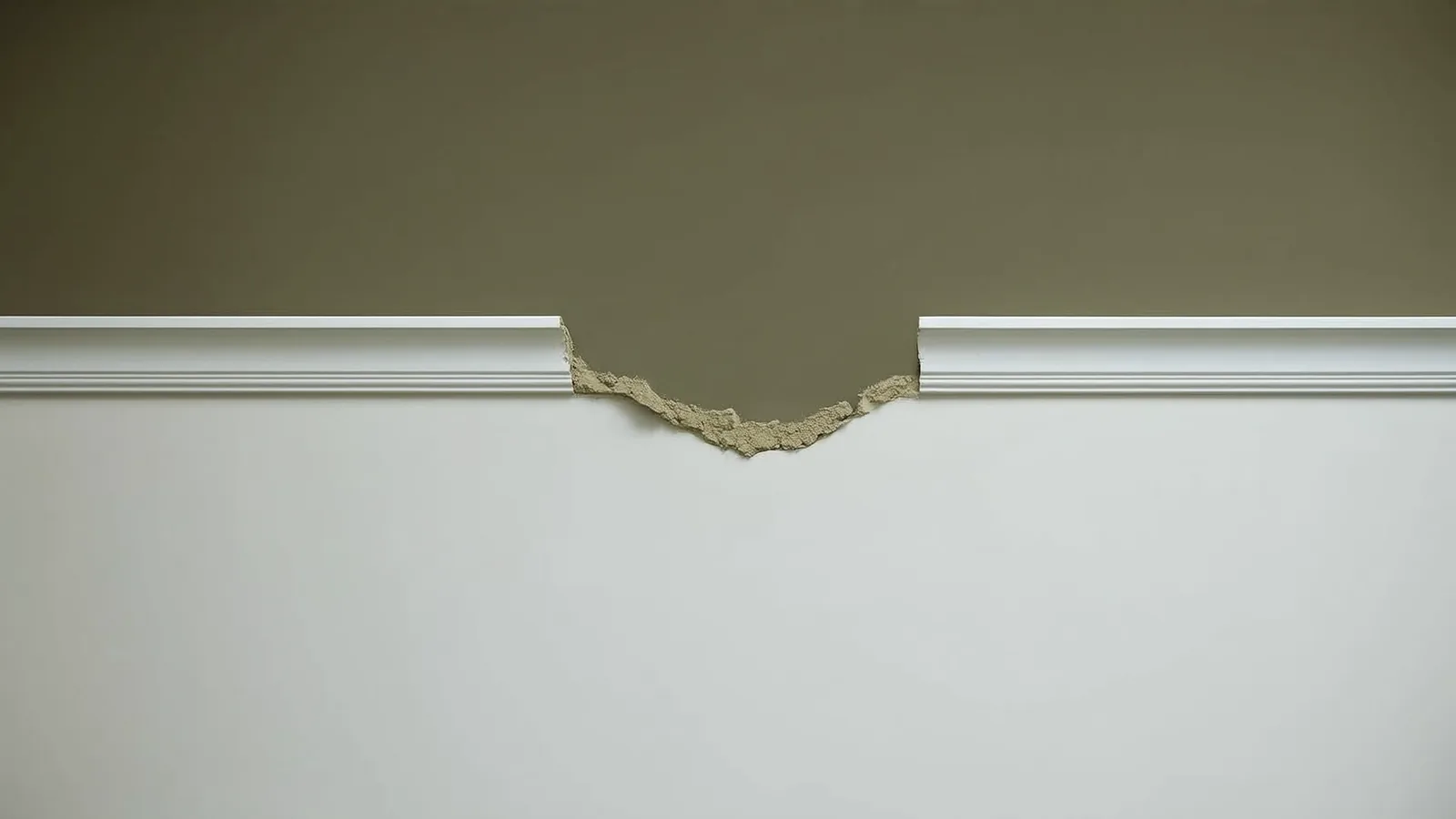
 Gaps Around Windows and Doors
Gaps forming around window and door frames in Knoxville homes are rarely a weatherstripping problem. They typically mean the foundation has shifted, causing the framing above to rack out of square. Knox County''s shrink-swell clay and karst limestone geology make this a common and progressive warning sign.
How to fix it →
 Urgent
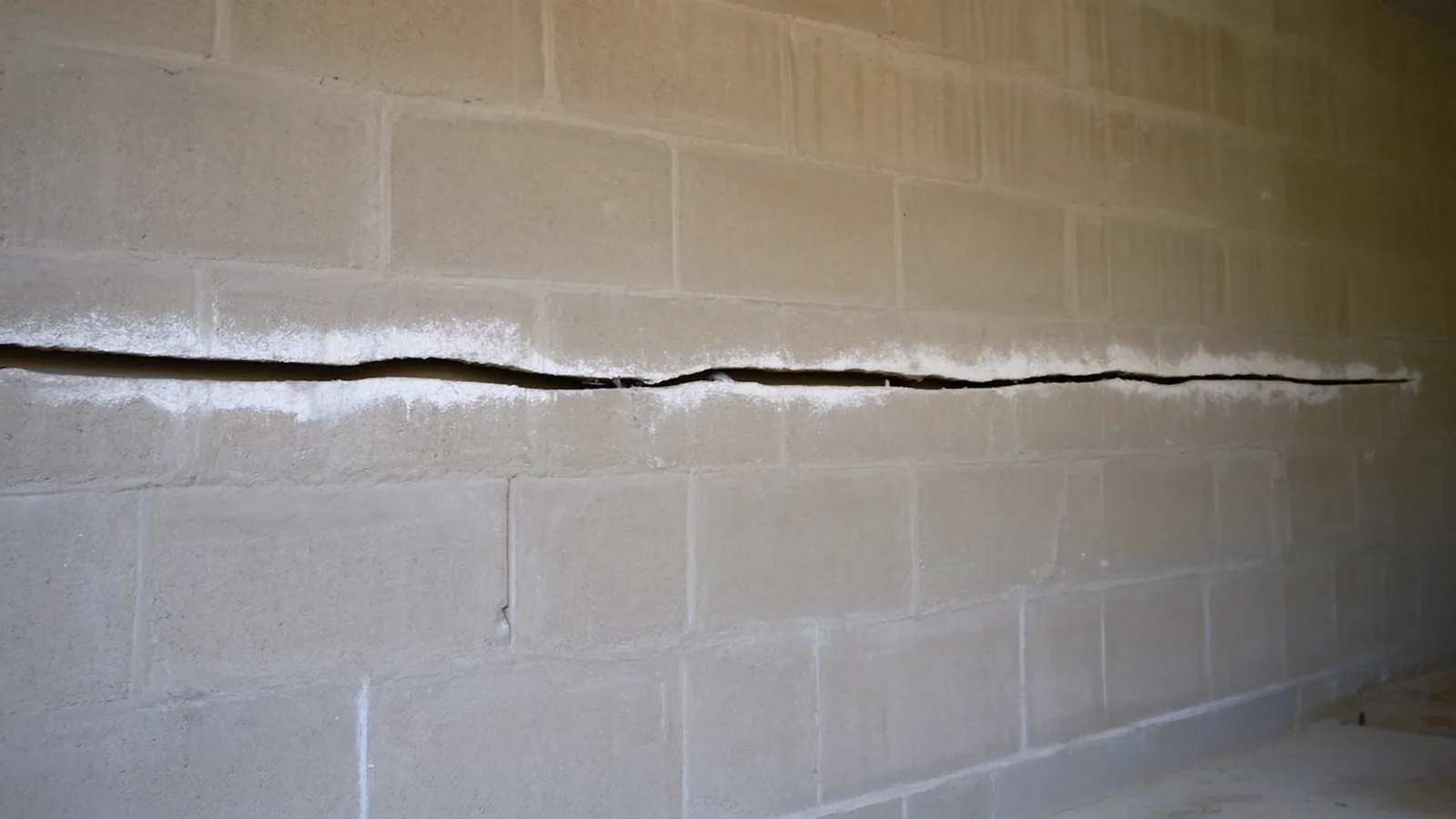
 Horizontal Cracks in Foundation Walls
Horizontal cracks running across a foundation wall or basement block are among the most serious warning signs a Knoxville homeowner can find. Unlike hairline vertical cracks from normal settling, horizontal cracks indicate that lateral soil and water pressure is actively bending or shearing the wall. Prompt professional evaluation is strongly advised.
How to fix it →
 Urgent
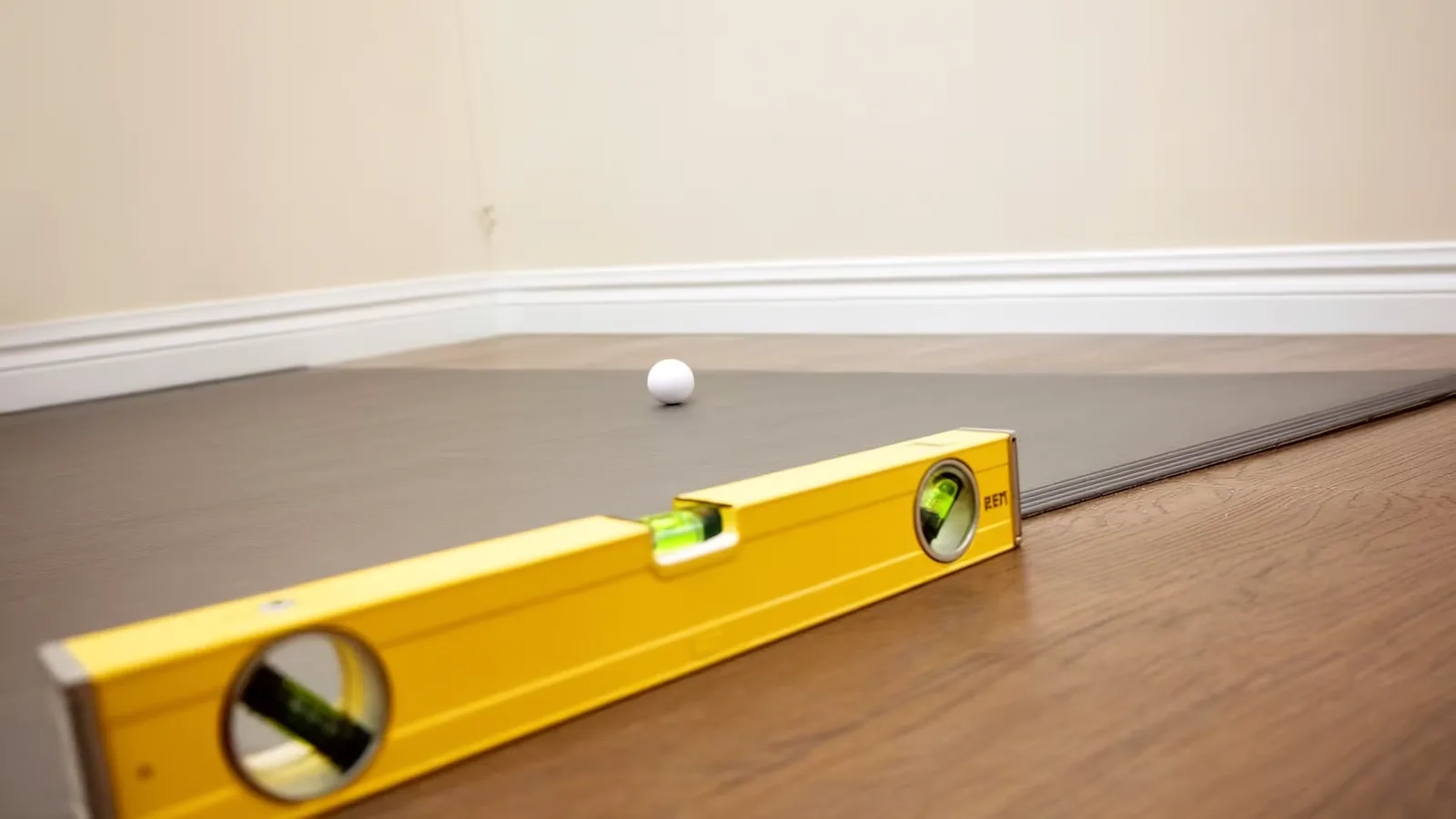
 Sloping or Uneven Floors
Sloping or uneven floors are one of the most visible signs that a foundation has shifted, settled, or lost structural support beneath it. In Knoxville, Knox County''s karst limestone geology and shrink-swell clay soils create conditions where floors can begin to tilt gradually or drop suddenly. Left unaddressed, this symptom typically worsens and can affect structural framing, door function, and resale value.
How to fix it →
 Urgent
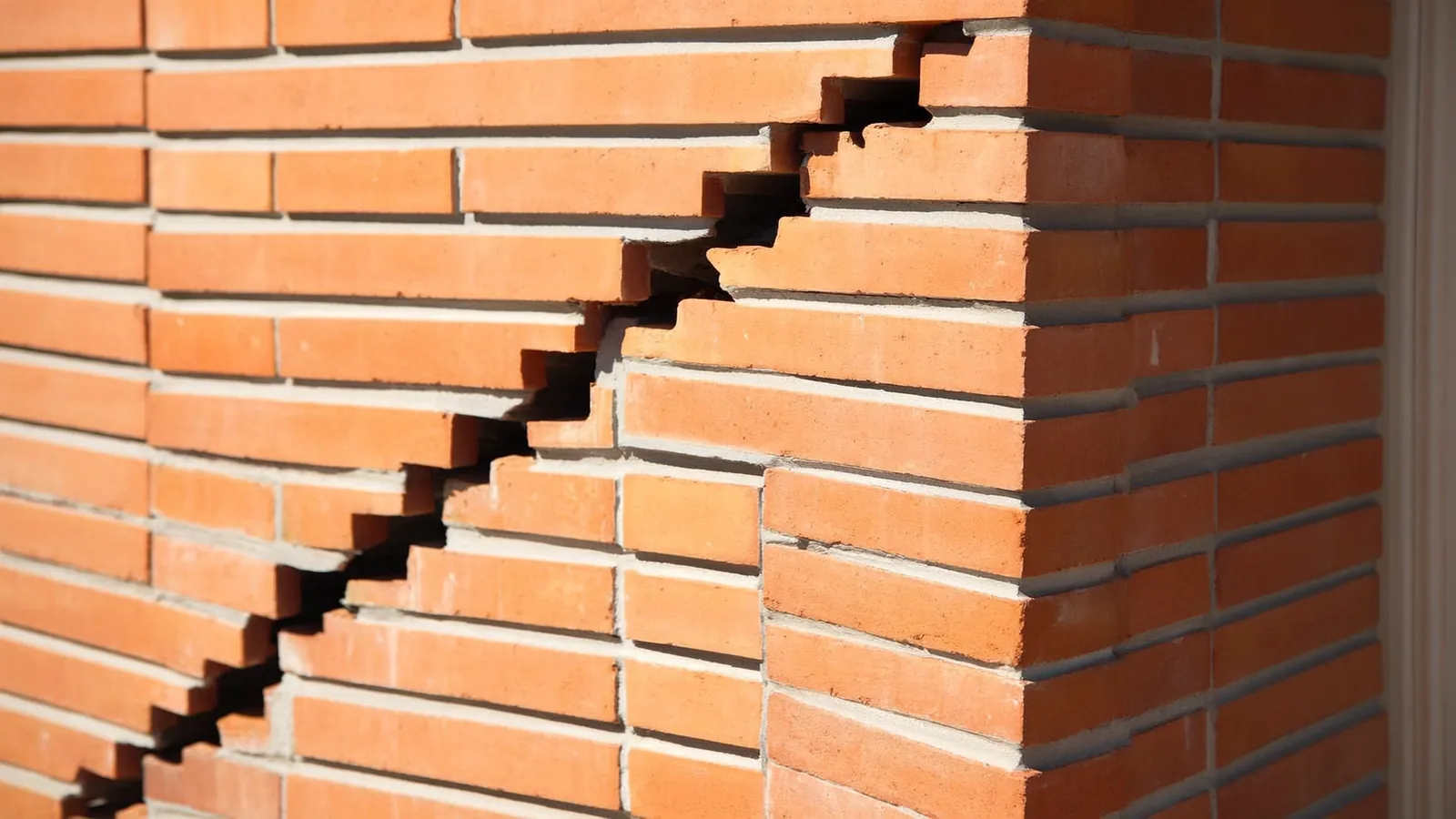
 Stair-Step Cracks in Brick or Block Walls
Stair-step cracks follow the mortar joints of brick or concrete block walls in a diagonal, staircase pattern and are one of the clearest visual signs of differential foundation settlement. In Knoxville, the combination of shrink-swell clay soils and karst limestone geology makes these cracks common and worth acting on quickly.
How to fix it →
 Urgent
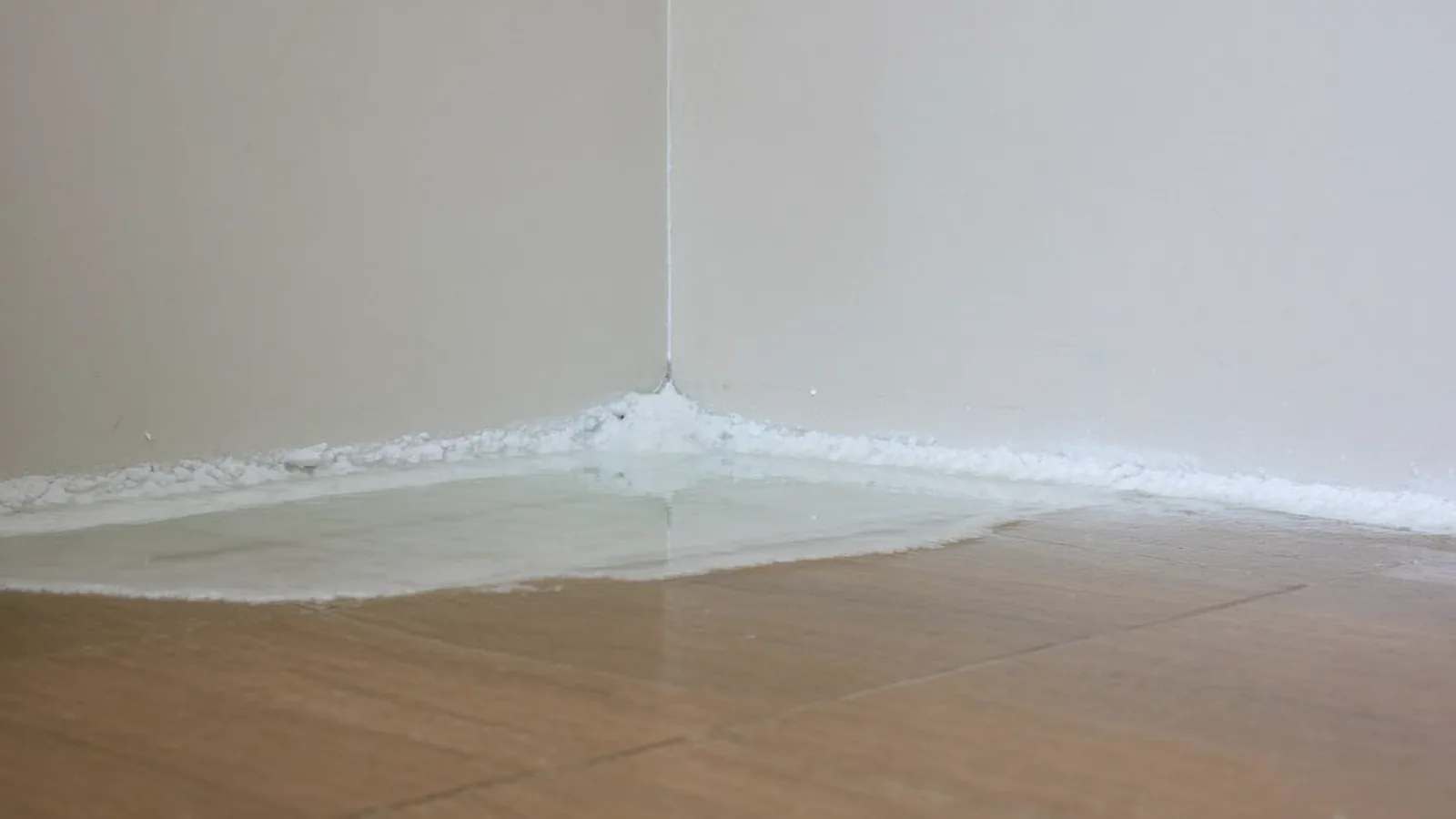
 Water in the Basement
Water in the basement ranges from minor condensation to active flooding driven by hydrostatic pressure and soil movement. In Knoxville, Knox County karst limestone and clay soils create drainage conditions that push water into basements year-round. Left unaddressed, basement water damages framing, invites mold, and accelerates foundation deterioration.
How to fix it →
 Structural
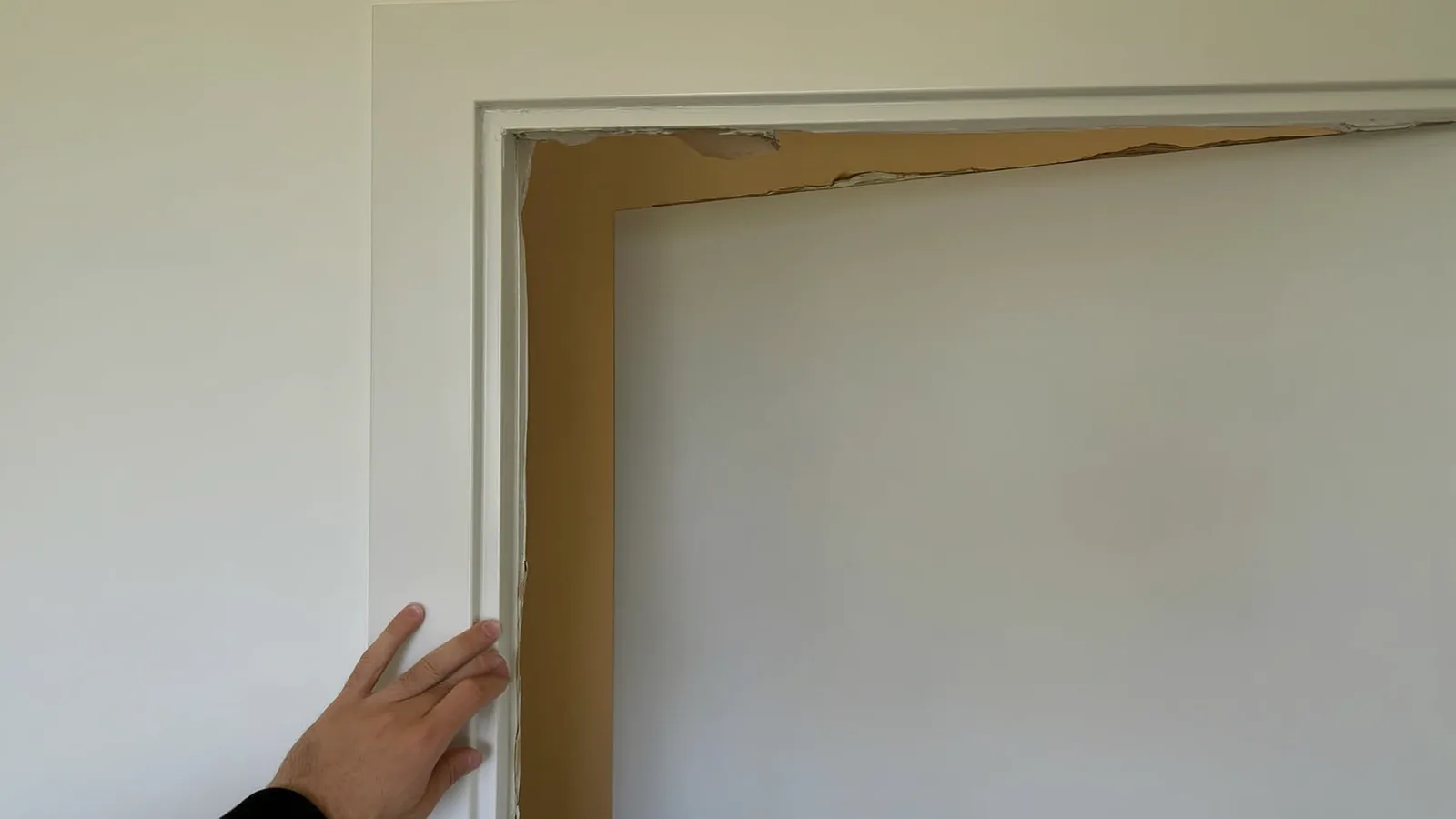
 Sticking Doors and Windows
Doors and windows that suddenly stick, jam, or pull away from their frames can point to foundation movement underneath your home. In Knoxville, Knox County's karst limestone geology and shrink-swell clay soils create conditions that cause differential settlement capable of racking door and window frames out of square. Early inspection can distinguish a cosmetic issue from a structural one.
How to fix it →
 Structural
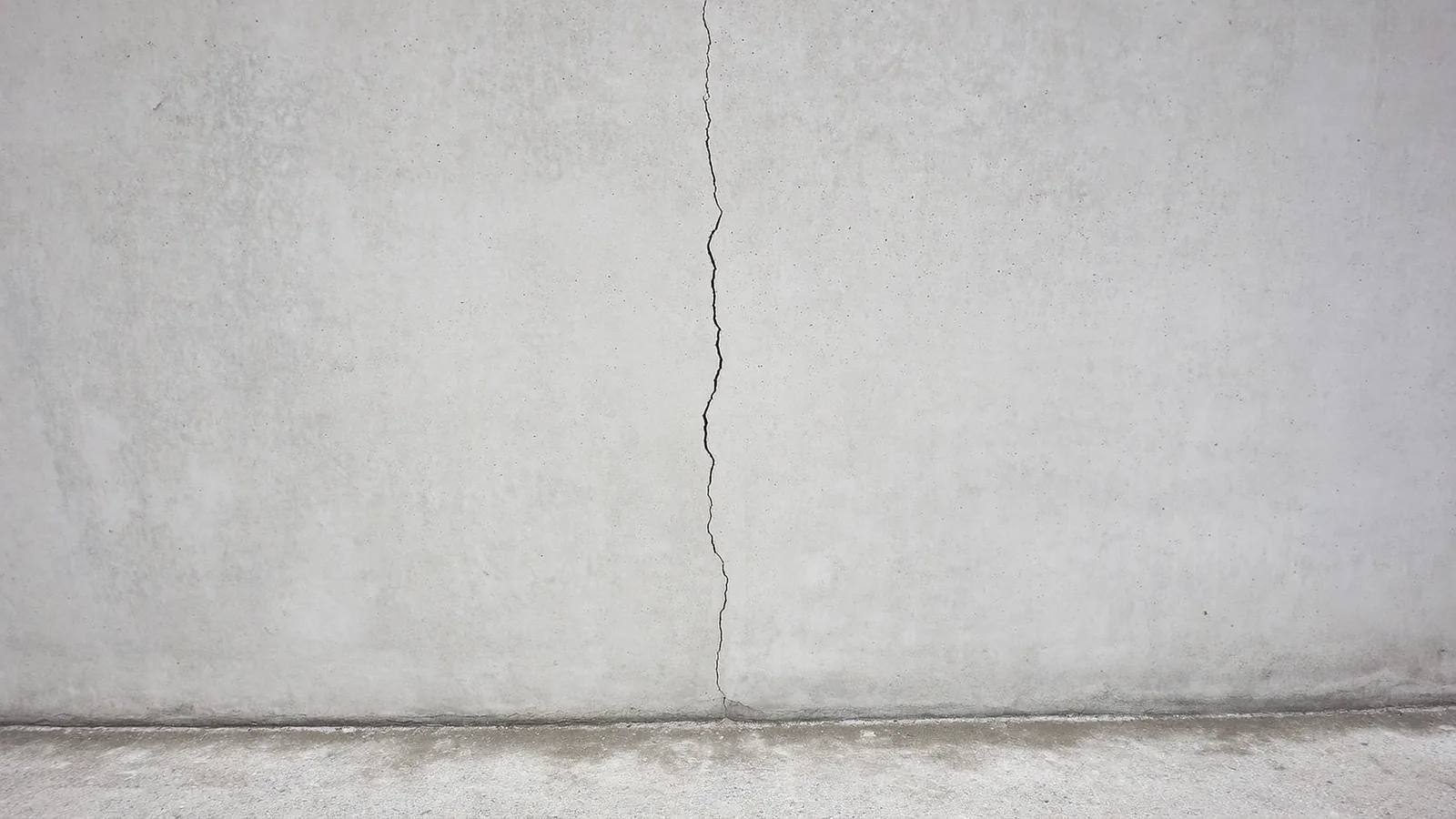
 Vertical Cracks in Foundation Walls
Vertical cracks in foundation walls are one of the most common warning signs Knoxville homeowners encounter. They range from harmless shrinkage lines to early indicators of differential settlement driven by Knox County''s shrink-swell clay and karst limestone geology. Knowing the difference determines whether you monitor or act.
How to fix it →
Seeing more than one?
Get it diagnosed for free.
Multiple symptoms usually point to one underlying cause. A free on-site inspection with an elevation survey finds it, in writing, with no obligation.
Questions