Foundation Repair
Foundation repair, by method.
Foundation repair in the Knoxville metro covers everything from hairline cracks in block walls to major settlement requiring steel piers. This section organizes the core topics so homeowners can identify their situation, understand their options, and get the right fix the first time.
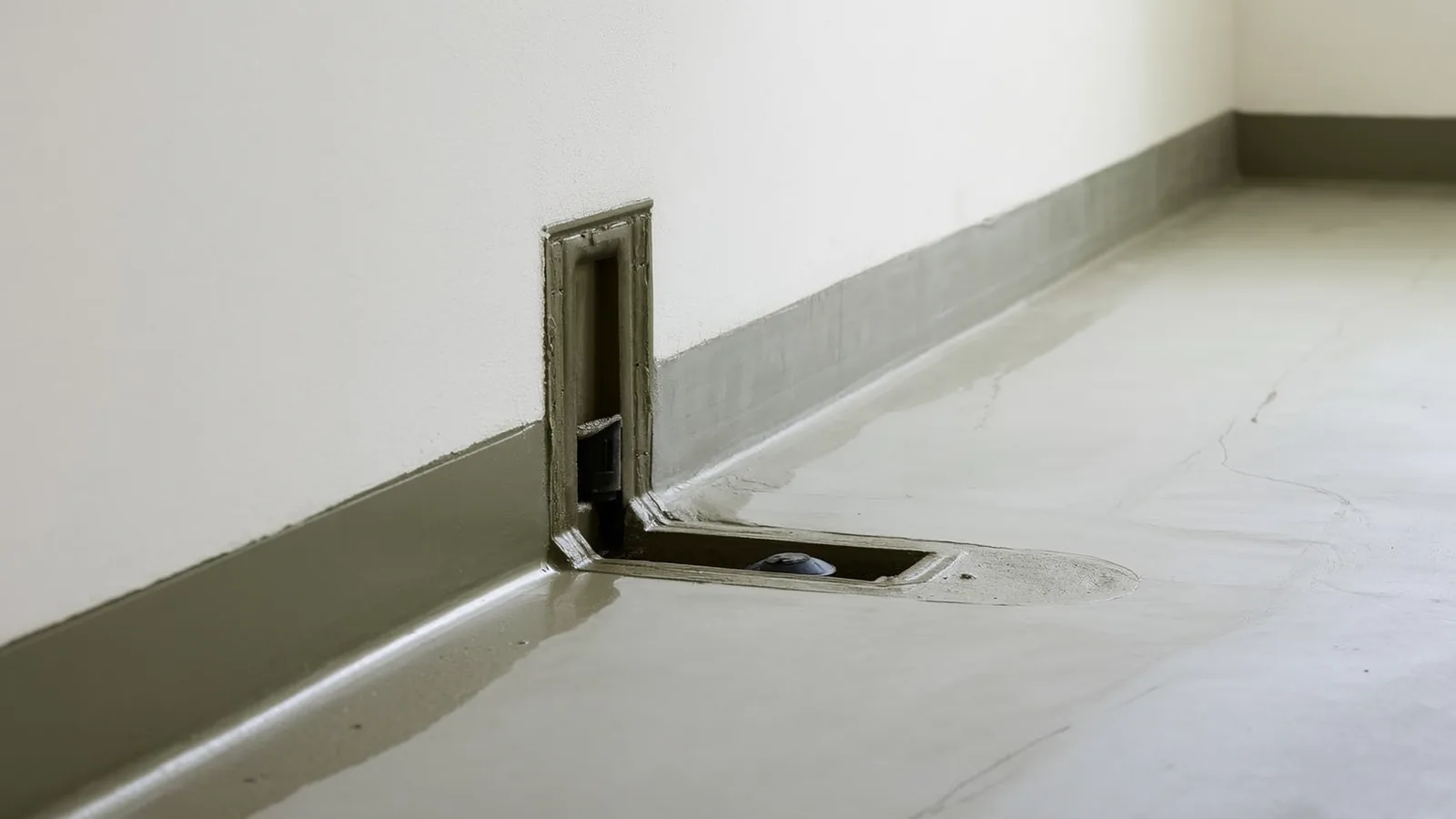
Basement waterproofing
Basement waterproofing stops water intrusion through walls and floors by redirecting hydrostatic pressure away from your living space. In Knoxville, Knox County karst limestone geology and nearly 48 inches of annual rainfall make wet basements a common and serious problem. Interior drainage systems, wall membranes, and sump pumps are the core tools, chosen based on where and how water is entering.
1-3 days for typical residential interior drainage installation · 25 years, transferable warranty
See the method →
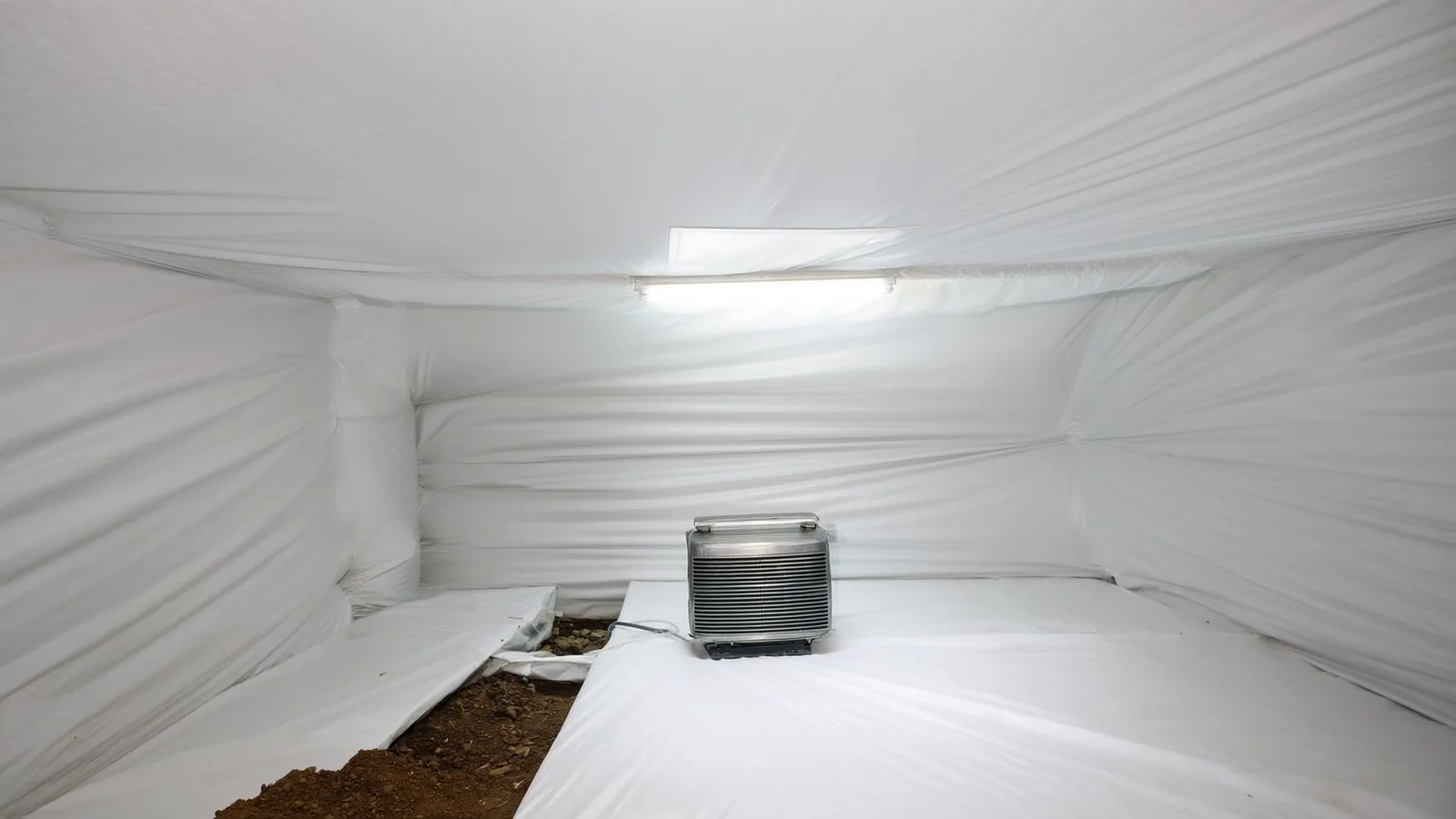
Crawl space repair
Crawl space repair addresses moisture intrusion, wood rot, sagging floors, and structural deterioration beneath pier-and-beam homes. In Knoxville, where Valley-and-Ridge terrain and karst limestone soils create persistent drainage challenges, most pre-2000 homes with crawl spaces need some level of moisture control or structural reinforcement. Solutions range from vapor barriers and encapsulation to sister joists, beam replacement, and new support columns.
1-3 days for most residential crawl space projects · 25 years, transferable warranty
See the method →
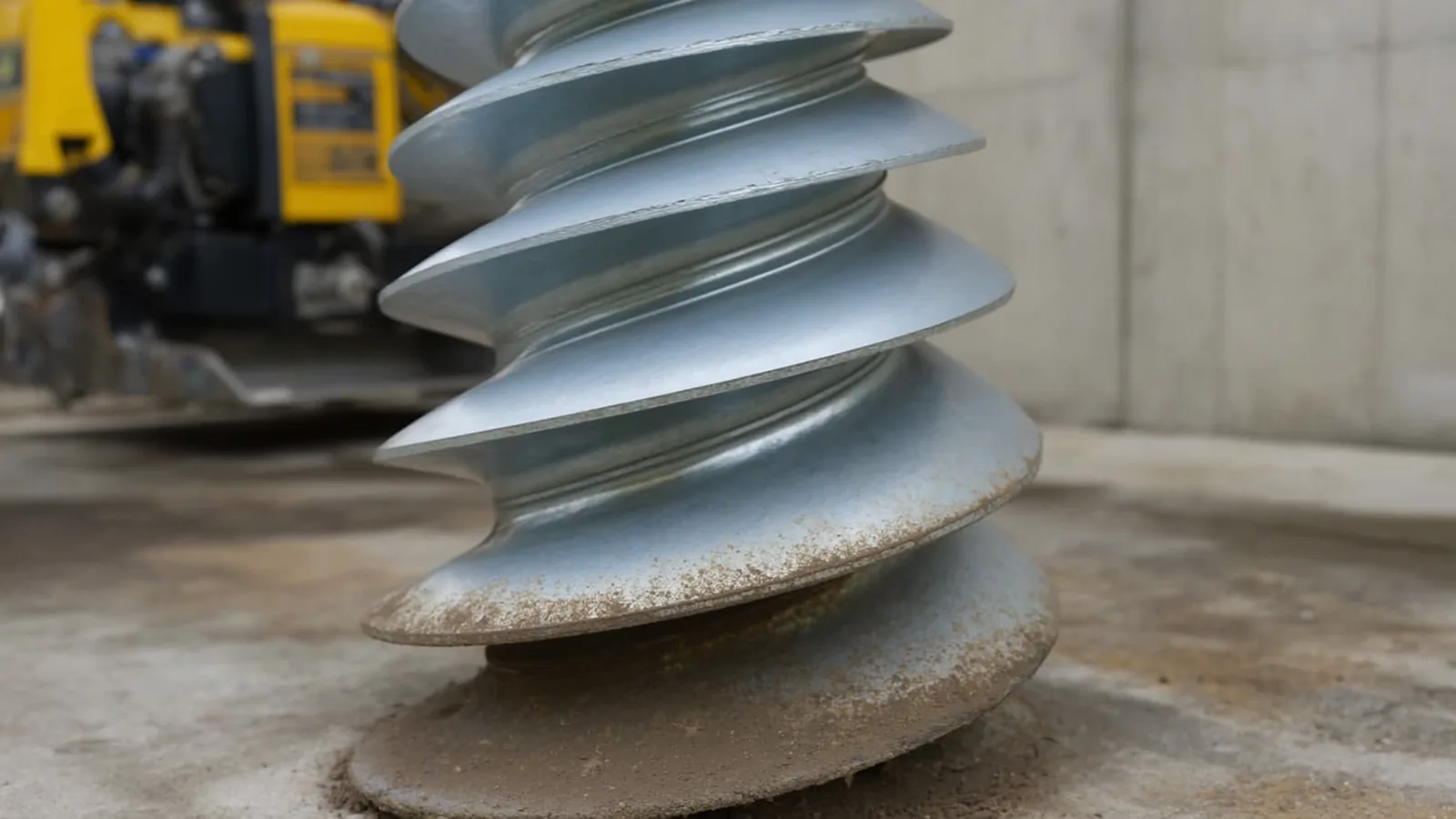
Helical piers
Helical piers are steel shafts with helical plates that screw into stable soil or bedrock, transferring a settling foundation's load past weak or unstable material above. In Knox County, where karst limestone geology creates sinkhole risk alongside shrink-swell clay, they are frequently the recommended underpinning method. Installation is fast, minimally disruptive, and does not require large excavation equipment.
1-3 days for typical residential underpinning · 25 years, transferable warranty
See the method →
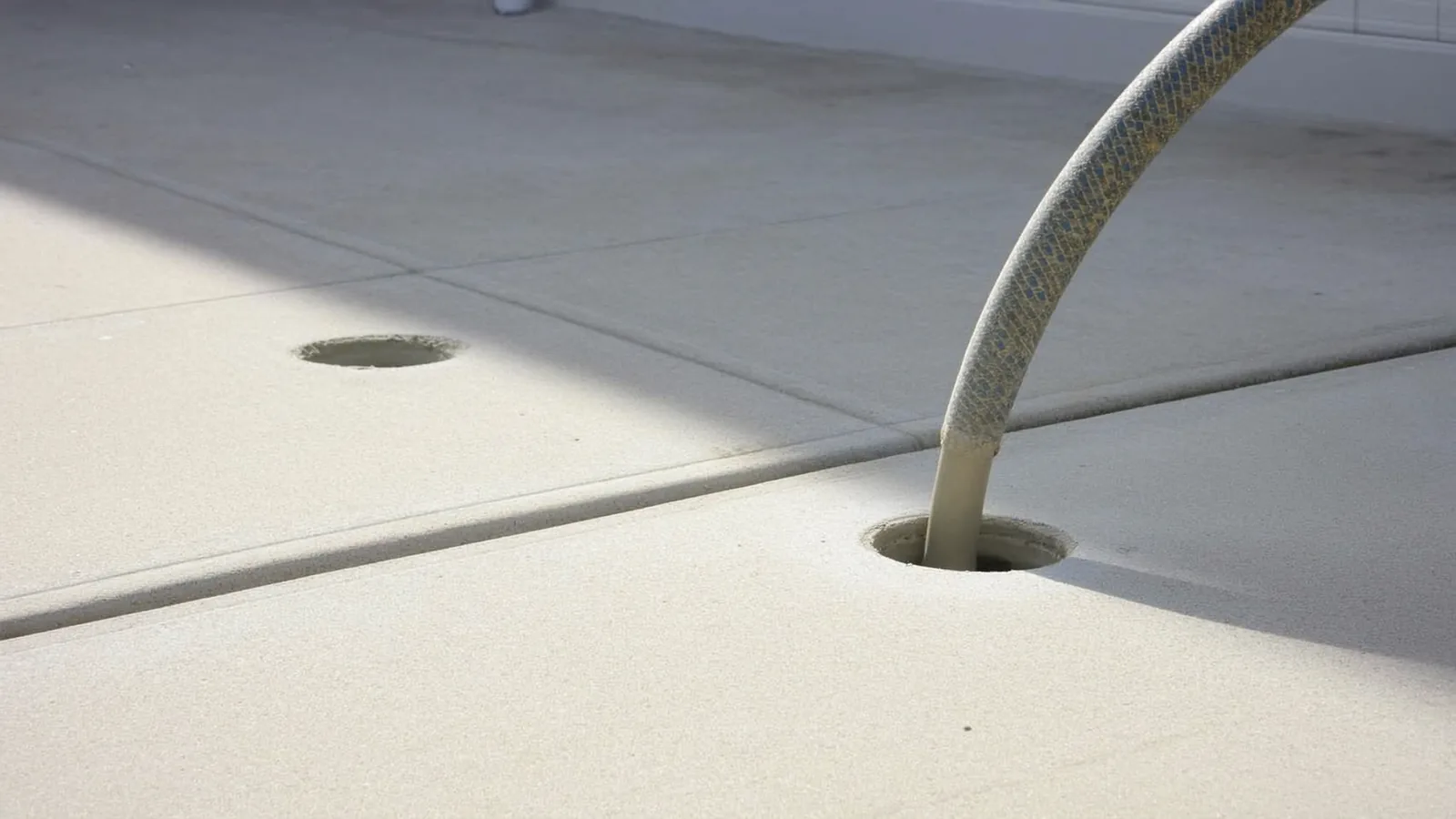
Mudjacking
Mudjacking fills voids beneath sunken concrete slabs by pumping a cement-soil slurry through drilled holes, lifting the slab back to grade. It works best on driveways, sidewalks, and garage floors where deep underpinning is not required. In Knoxville, where karst limestone soils can shift and clay-rich valley positions create uneven bearing, mudjacking is a cost-effective option for shallow slab settlement on stable ground.
1 day for most residential slab sections · 2-5 years, varies by contractor warranty
See the method →
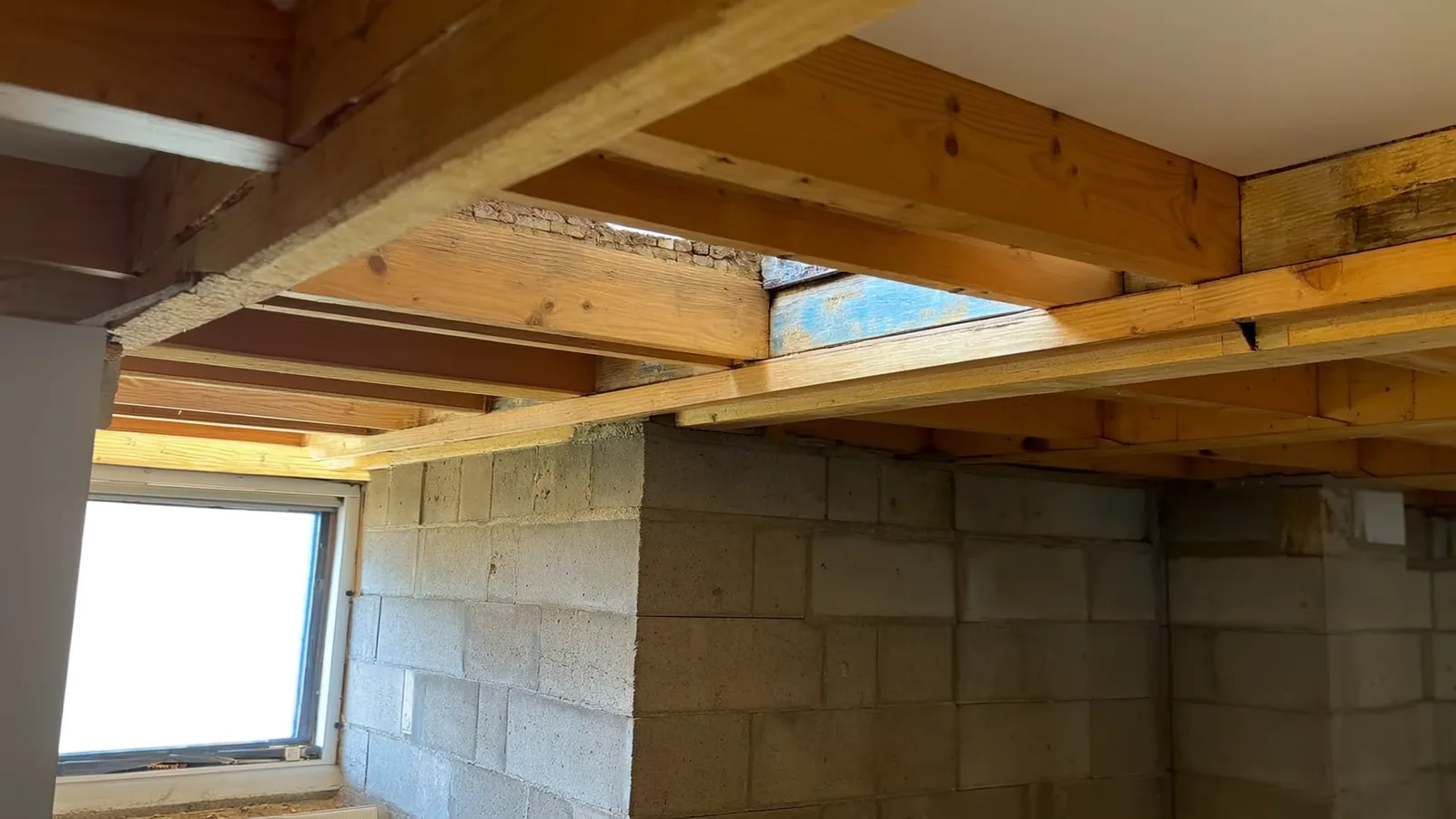
Pier and beam repair
Pier and beam repair restores the wood post-and-beam substructure found under most pre-2000 Knoxville homes, correcting sagging floors, rotted sill plates, and settled piers. Knox County crawl space foundations face a dual threat from moderate-to-high shrink-swell clay and karst limestone voids. Repair costs typically run $1,000 to $3,000 per pier according to Bob Vila.
1-3 days for typical residential pier and beam work · 25 years, transferable warranty
See the method →
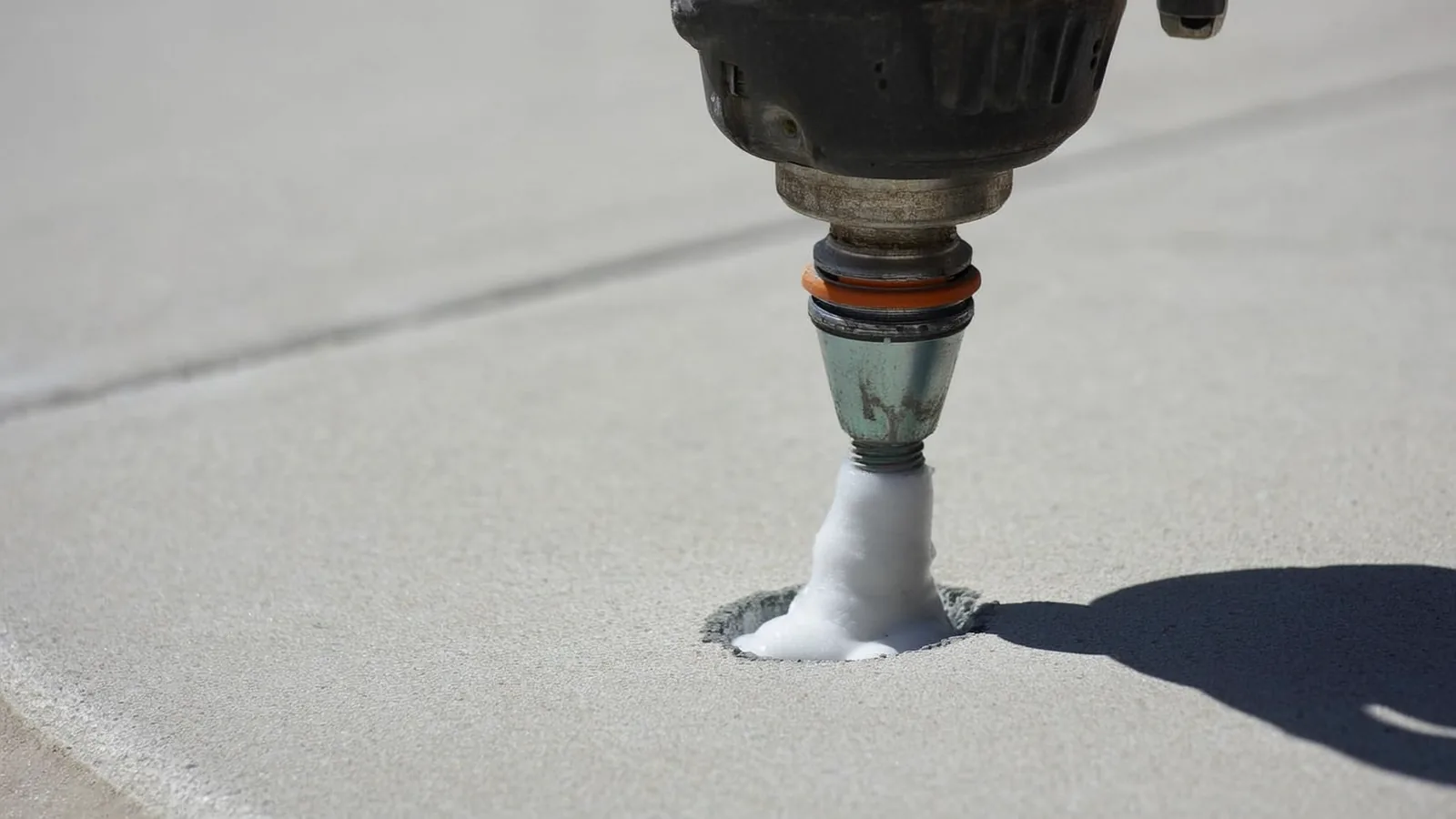
Polyurethane foam leveling
Polyurethane foam leveling injects expanding two-part foam beneath settled concrete slabs to lift, fill voids, and stabilize the surface. It is faster and less invasive than mudjacking, with smaller injection holes and a cure time measured in minutes. For Knox County homeowners dealing with sunken driveways, walkways, or garage floors, it is often the fastest path to a stable surface.
2-6 hours for a typical residential driveway or walkway · 5 years, transferable on most residential applications warranty
See the method →
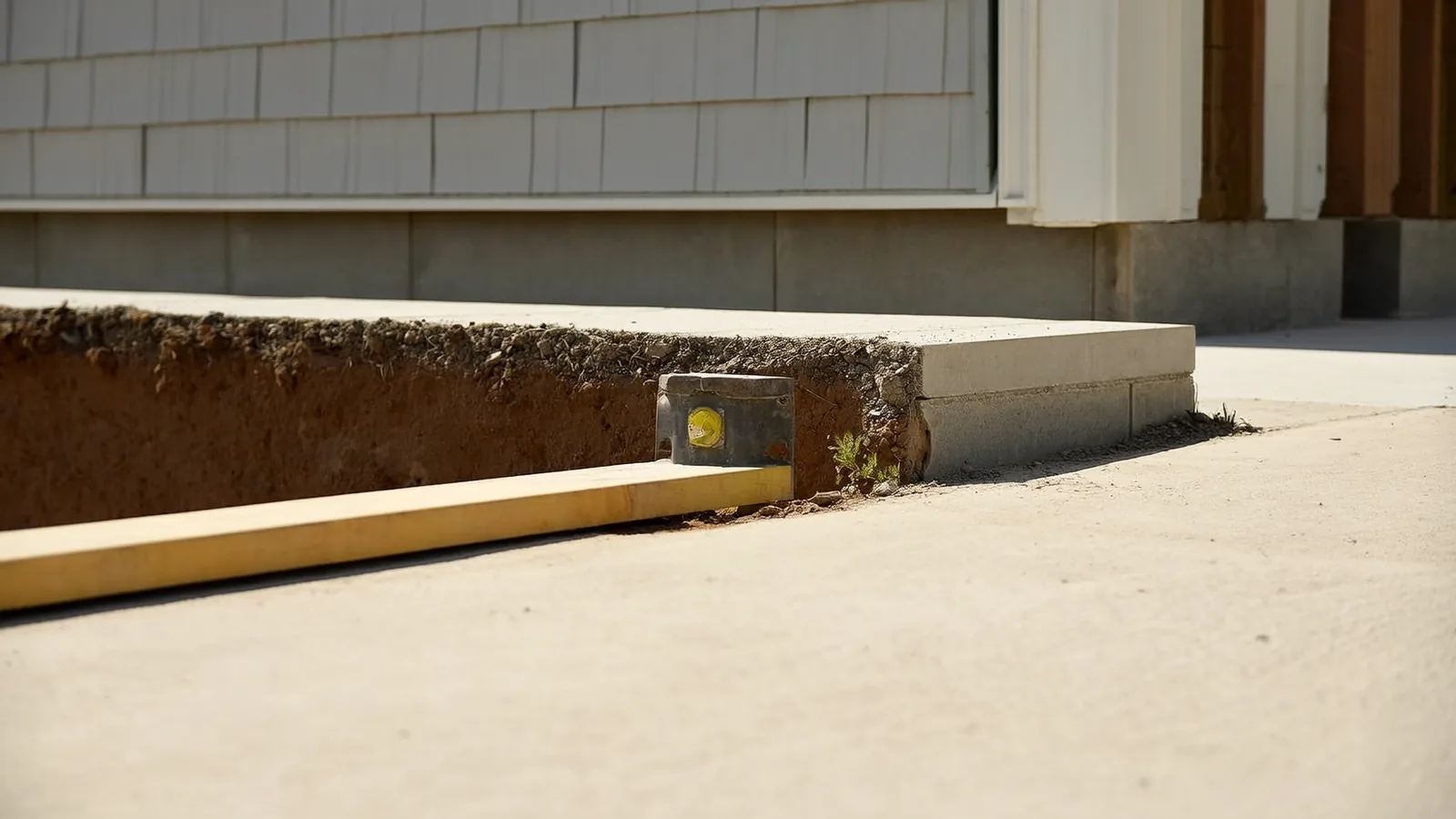
Slab foundation repair
Slab foundation repair addresses settling, cracking, and voids beneath concrete slab foundations using methods like piering, polyurethane foam injection, or slabjacking. In Knox County, karst limestone geology and shrink-swell clay soils create specific risks that influence which repair method fits best. Getting the diagnosis right before choosing a method saves time and money.
1-3 days for most residential slab repairs · 25 years, transferable warranty
See the method →
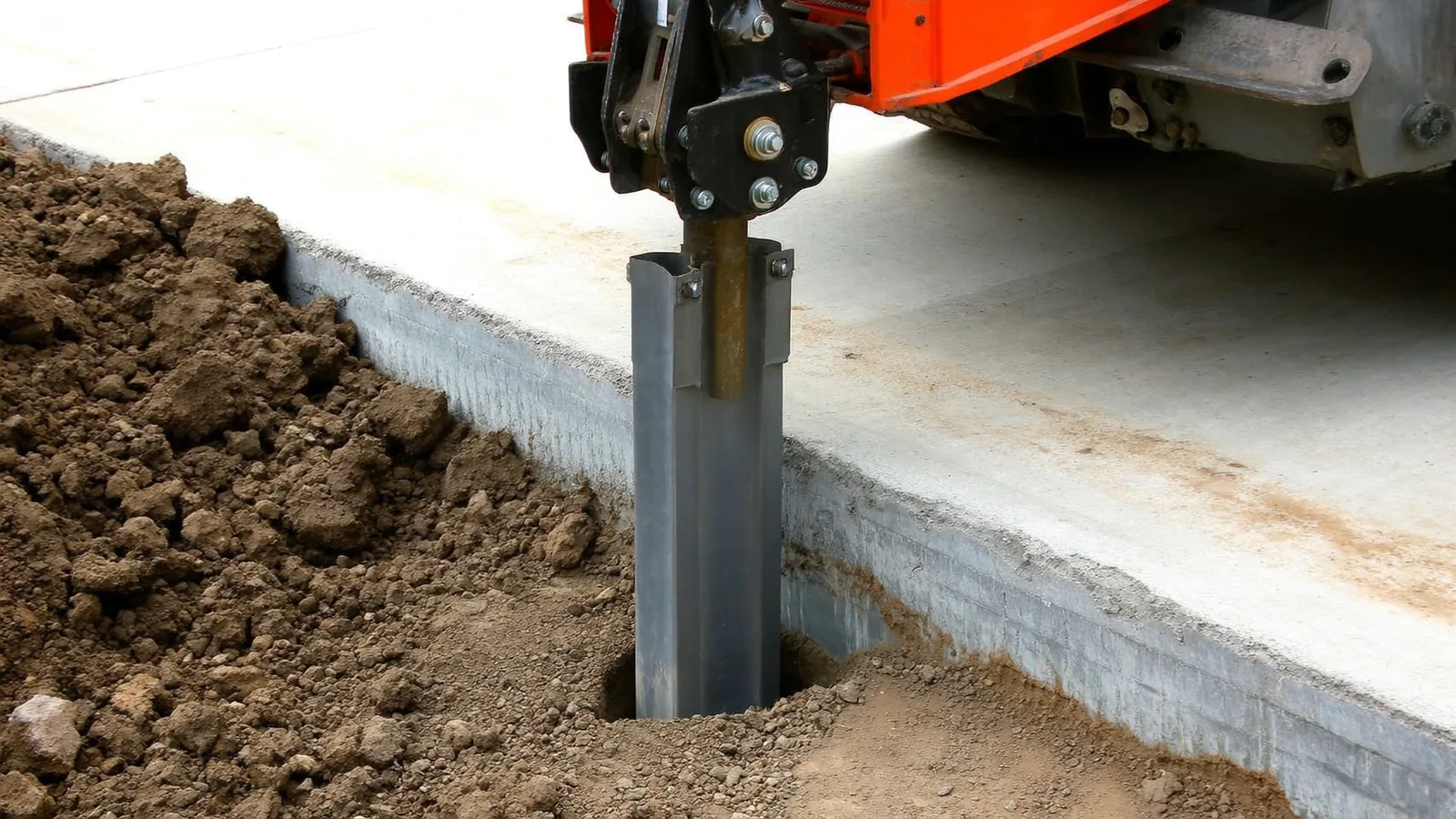
Steel push piers
Steel push piers are hydraulically driven steel sections pushed through unstable soil until they reach load-bearing bedrock or dense strata, then used to lift and stabilize a settling foundation. They are a proven underpinning method for heavier structures on soft or void-prone soil. In Knox County, where karst limestone sits beneath silty clay, push piers are frequently specified when a foundation needs firm bedrock contact.
1-3 days for typical residential underpinning · 25 years, transferable warranty
See the method →
Not sure which method?
We'll diagnose it for free.
An on-site inspection with an elevation survey tells you which repair your home actually needs, and a written quote with no obligation.
Questions